
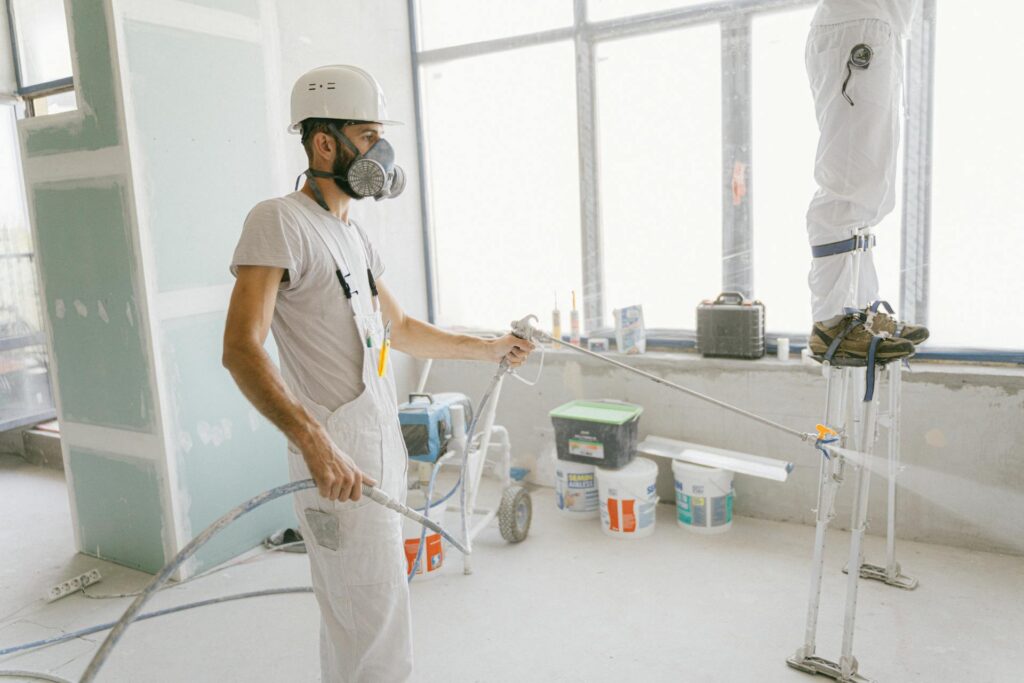
Commercial painting is a critical service for maintaining and enhancing business environments. It goes beyond simple aesthetics and plays a major role in branding, safety, and durability. Whether it is an office, retail store, warehouse, or industrial facility, a professional paint job creates a strong and lasting impression.
Businesses operate in competitive environments where appearance matters. A clean and well-painted space reflects professionalism and attention to detail. It influences how clients, customers, and employees perceive the business. Commercial painting services focus on delivering high-quality finishes that align with business goals and operational needs.
Unlike residential projects, commercial painting requires careful planning and execution. Large spaces, strict timelines, and minimal disruption are key considerations. Professional services ensure efficiency while maintaining high standards. The result is a durable and visually appealing environment that supports business operations.
A freshly painted commercial space instantly improves its visual appeal. Clean walls, sharp lines, and consistent finishes create a polished look. This helps businesses present a professional image to clients and visitors.
Color selection also plays an important role in branding. The right colors can reinforce identity and create a welcoming atmosphere. A professional painting service ensures that colors are applied accurately and consistently across all areas.
Commercial properties experience heavy use and exposure. Walls, floors, and surfaces must withstand constant wear. High-quality paint provides a protective layer that reduces damage from impacts, stains, and environmental factors.
Specialized coatings can also offer resistance to moisture, chemicals, and fire. These features are especially important in industrial and high-traffic settings. Proper application ensures long-lasting protection and reduced maintenance costs.
Regular painting maintenance helps preserve the value of commercial properties. A well-maintained building is more attractive to tenants, clients, and investors. It reflects proper care and management.
Painting also extends the lifespan of surfaces by protecting them from damage. This reduces the need for costly repairs and replacements. Investing in commercial painting is a practical way to maintain property value over time.
The first step in any commercial painting project is detailed planning. This involves assessing the condition of surfaces and identifying specific requirements. Each project is unique and requires a tailored approach.
Factors such as building size, surface type, and business operations are considered. A clear plan ensures efficient execution and minimal disruption. Proper scheduling is essential to meet deadlines and maintain productivity.
Preparation is a key factor in achieving a successful paint job. Surfaces must be cleaned, repaired, and prepared before painting begins. This includes removing dirt, grease, and old paint.
Cracks and imperfections are fixed to create a smooth base. Proper preparation ensures that paint adheres well and provides a uniform finish. Skipping this step can lead to poor results and reduced durability.
The application stage involves applying primer and multiple layers of paint. Each coat must be applied evenly and allowed to dry properly. This ensures a consistent and long-lasting finish.
Attention to detail is important during this phase. Edges, corners, and fixtures require careful handling. Professional techniques prevent streaks and uneven coverage. The final result is a clean and professional appearance.
Interior painting focuses on improving indoor spaces such as offices, retail stores, and common areas. It creates a comfortable and productive environment for employees and visitors.
Different areas may require different types of paint. For example, high-traffic areas need durable coatings, while meeting rooms may benefit from calming colors. A professional service ensures the right solutions for each space.
Exterior painting protects buildings from environmental factors while enhancing curb appeal. It is essential for maintaining the structure and appearance of commercial properties.
Weather-resistant paints are used to withstand harsh conditions. Proper application ensures long-term protection and reduces maintenance needs. A well-painted exterior creates a strong first impression.
Industrial environments require specialized painting solutions. These include coatings that resist chemicals, heat, and corrosion. Such coatings are essential for maintaining safety and functionality.
Specialized services may also include floor coatings, anti-slip finishes, and fire-resistant paints. These solutions meet specific industry requirements and improve overall performance.
Different commercial spaces require different types of paint. High-durability paints are ideal for areas with heavy use. Moisture-resistant paints work well in kitchens and restrooms.
Choosing the right paint ensures both performance and longevity. Professional painters understand which products are best suited for each environment. This helps achieve optimal results.
Color plays a significant role in commercial spaces. It influences mood, productivity, and customer perception. Businesses often choose colors that align with their brand identity.
A well-planned color scheme creates consistency throughout the space. It enhances the overall design and supports branding efforts. Professional guidance can help in selecting the most effective colors.
Maintaining painted surfaces is essential for preserving their appearance. Regular cleaning removes dirt and prevents buildup. This helps maintain a fresh and professional look.
Using appropriate cleaning methods ensures that the paint is not damaged. Gentle cleaning solutions and soft materials are recommended. Proper care extends the life of the paint.
Over time, commercial spaces may experience wear and tear. Small damages such as scratches or stains can be repaired with touch-ups. Keeping extra paint for this purpose is beneficial.
Regular inspections help identify areas that need attention. Addressing issues early prevents larger problems. This ensures that the property remains in good condition.
Commercial painting requires specialized skills and equipment. Professional painters have the experience to handle large and complex projects. They use advanced tools to achieve high-quality results.
Their expertise ensures that every aspect of the project is handled correctly. From preparation to finishing, each step is executed with precision. This leads to a superior outcome.
Businesses need painting projects to be completed without affecting operations. Professional services focus on efficiency and proper scheduling. Work can often be done during off-hours to minimize disruption.
Timely completion is essential in commercial settings. Professionals ensure that projects are finished within deadlines. This allows businesses to continue their activities smoothly.
Safety is a critical aspect of commercial painting. Working at heights and handling materials requires proper precautions. Professional painters follow strict safety guidelines to prevent accidents.
Using the right equipment and protective measures ensures a safe working environment. This protects both workers and occupants of the building. Safety compliance is essential for successful project execution.
Modern commercial painting services also focus on environmental responsibility. Low-VOC and eco-friendly paints are often used to reduce harmful emissions. These products improve indoor air quality and support sustainability.
Proper disposal of materials is another important factor. Responsible practices ensure minimal impact on the environment. This aligns with modern standards and expectations.